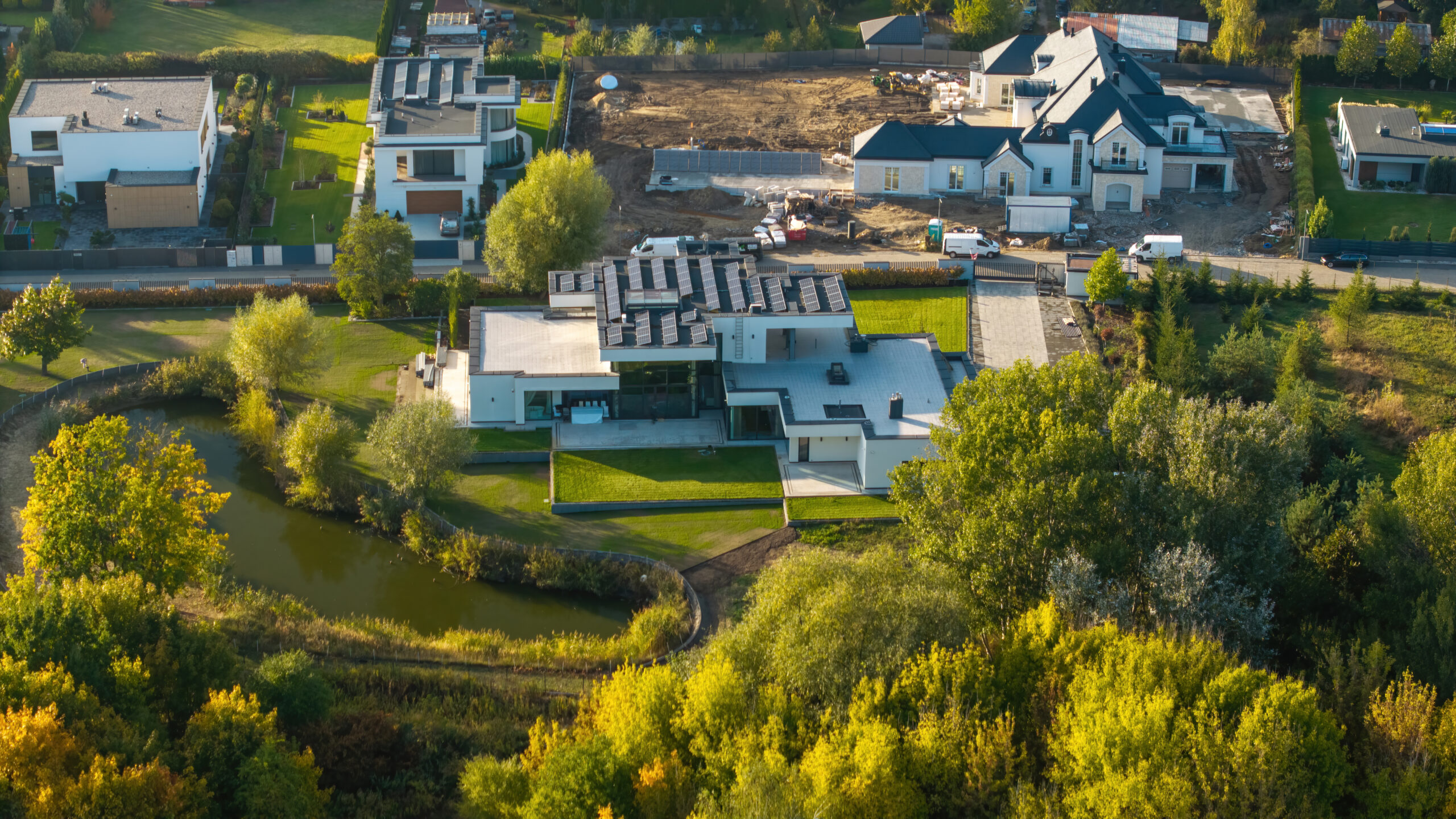
As a landscape designer, my goal has always been to create outdoor spaces that are not only beautiful but also functional and lasting. For high-end clients, sustainability is no longer just a trend. It is a standard of quality. Sophisticated clients are increasingly interested in landscapes that reflect environmental responsibility while maintaining elegance and luxury. Implementing sustainable practices does not mean compromising style. It means designing smarter, cleaner, and longer-lasting spaces.
Working With Nature Makes Landscapes Stronger
Sustainability in landscaping is about working with nature rather than against it. It is about choosing plants, materials, and practices that conserve resources and reduce environmental impact. This approach benefits both the client and the planet. A sustainable landscape requires less water, fewer chemicals, and lower maintenance over time. For high-end properties, this translates into cost savings and a healthier, more attractive environment.
Choosing the Right Plants Helps Everything Thrive
Selecting the right plants is the foundation of a sustainable landscape. Native and drought-tolerant species are ideal because they are naturally adapted to the local climate. They require less water and are more resistant to disease and pests. For luxury properties, we also consider seasonal interest, texture, and color to maintain a sophisticated look throughout the year. Combining beauty and environmental intelligence ensures the landscape is both visually appealing and practical.
Using Water Efficiently Saves Resources and Money
Water conservation is a critical part of sustainable landscaping. Installing advanced irrigation systems allows for precise watering, reducing waste and promoting healthy plant growth. Drip irrigation and smart controllers help direct water exactly where it is needed. Rain sensors and soil moisture monitoring ensure that the system only operates when necessary. High-end clients appreciate these systems because they provide efficiency and convenience without sacrificing design quality.
Keeping Soil Healthy Improves Plant Growth
Healthy soil is the backbone of any thriving landscape. Adding organic matter, using compost, and avoiding harsh chemicals help plants grow strong and resilient. Mulching not only retains soil moisture but also reduces weeds and enhances the overall appearance of garden beds. By maintaining soil health, we create landscapes that continue to flourish year after year with minimal intervention.
Choosing Durable Materials Protects the Environment
High-end landscaping is not just about plants. Hardscape elements like patios, walkways, and retaining walls play a significant role. Choosing sustainable materials such as reclaimed wood, natural stone, or permeable pavers adds luxury and reduces environmental impact. Permeable surfaces allow water to infiltrate the ground, preventing runoff and erosion. Thoughtful material selection ensures a beautiful, durable, and environmentally responsible design.
Using Energy-Efficient Lighting Keeps Costs Low
Lighting is an essential part of a high-end landscape. Using LED fixtures and solar-powered options reduces energy consumption without compromising on elegance. Well-placed lighting highlights architectural features, creates ambiance, and enhances safety. For clients, energy-efficient lighting is an attractive feature that demonstrates commitment to both sustainability and quality.
Managing Rainwater Carefully Protects the Landscape
Managing rainwater effectively is a key sustainable strategy. Installing rain gardens, swales, or retention areas can control runoff and recharge the groundwater. These features also add visual interest and support local wildlife. By incorporating rainwater management into a landscape, we combine function with beauty and show clients how thoughtful design can protect the environment.
Adding Wildlife-Friendly Features Makes Spaces Alive
Sophisticated landscapes can support local ecosystems while remaining elegant. Planting native flowering species attracts pollinators like bees and butterflies. Providing bird-friendly spaces or small water features enhances the natural environment. These additions not only create dynamic, lively spaces but also reinforce the sustainability message clients value.
Sustainability Can Still Be Luxurious and Beautiful
Sustainable landscaping does not mean giving up luxury. It means making intentional choices that reduce environmental impact while maintaining aesthetic standards. By combining intelligent plant selection, water management, soil care, and durable materials, we create landscapes that are both exquisite and responsible. Clients can enjoy a beautiful outdoor space that aligns with their values and contributes to the greater good.
Investing in Sustainability Benefits Everyone Long-Term
Investing in sustainable landscaping is an investment in the future. Healthy, well-designed landscapes require less maintenance, conserve resources, and increase property value. For high-end clients, this approach provides peace of mind. They can take pride in a property that is environmentally conscious, visually stunning, and functional for years to come.
Sustainability is more than a trend in landscaping. It is a commitment to quality, responsibility, and innovation. Every project we design at DeSignia Landscape reflects these principles. We combine creativity, technology, and environmental awareness to deliver outdoor spaces that stand the test of time. Sophisticated clients understand that luxury is not just about beauty. It is about thoughtful design, long-term value, and respect for the natural world.